

Can public criticism improve the protection of civilians in conflict zones? A study by G. Uzonyi
Gary Uzonyi, an associate researcher at VU IIRPS and a researcher at the University of Strathclyde (United Kingdom), has published a research article entitled “Naming and Shaming to Protect Civilians During Peacekeeping: Lessons from South Sudan” in the international political science journal “Swiss Political Science Review”.
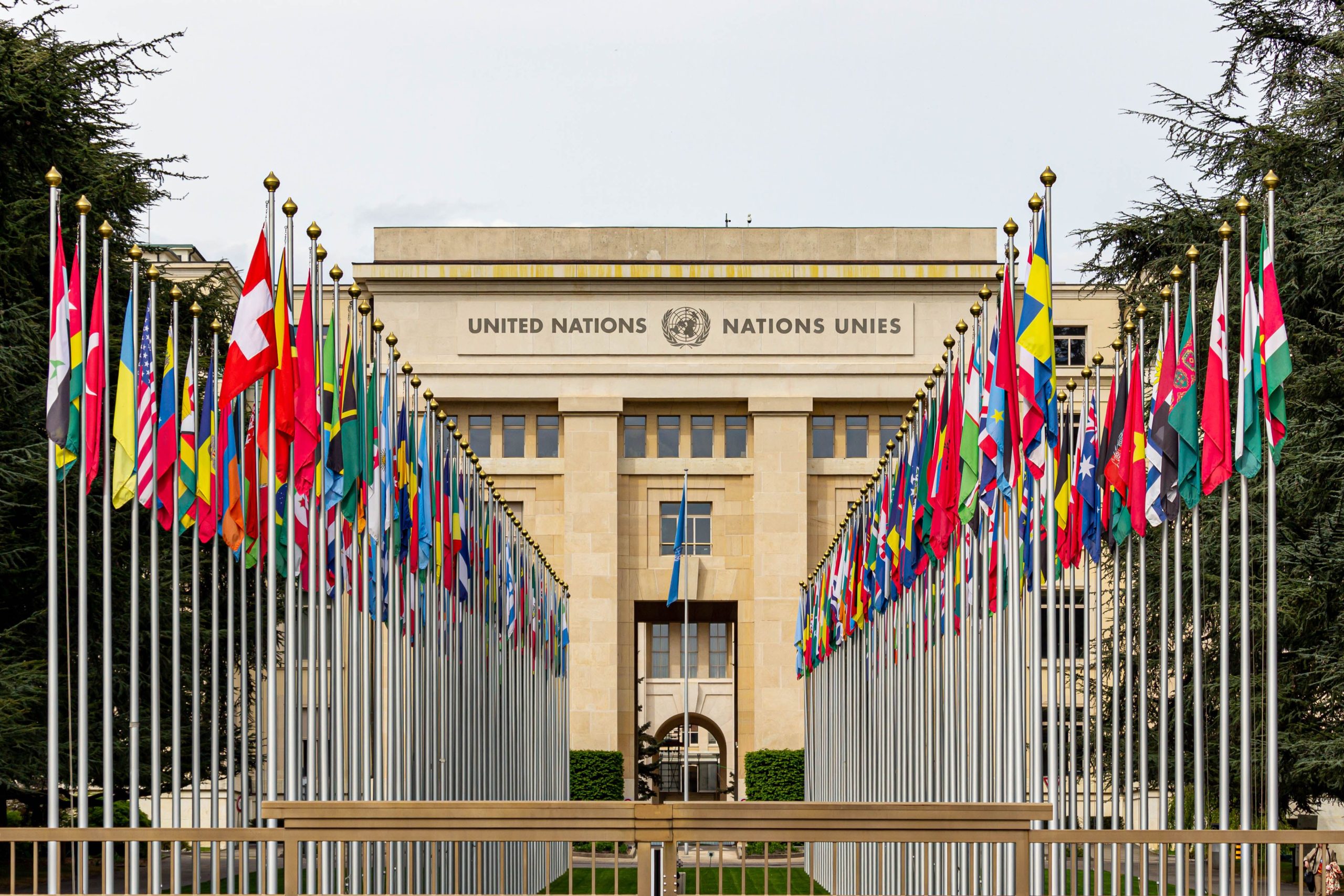
In his study, G. Uzonyi examines how publicly naming and shaming United Nations (UN) peacekeeping units that have failed to fulfil their duties can contribute to more effective protection of civilians in conflict zones.
The researcher analyses the UN mission in South Sudan (UNMISS), where in 2016, following the failure of peacekeepers to protect civilians in the country’s capital, Juba, the then UN Secretary-General Ban Ki-moon publicly named the Kenyan peacekeepers responsible and demanded the replacement of the mission’s force commander.
Analysing data from 2011 to 2022, G. Uzonyi found that publicly naming the units responsible had no direct impact on the number of civilian deaths but contributed to a decline in the figure in the months that followed.
However, according to the researcher, not every form of public criticism is equally effective:
“External criticism does not always lead to real change, as it is usually directed at the mission rather than at specific units that have failed to fulfil their duties. Consequently, it is precisely those units whose operations need to be changed that may not directly feel the consequences of such criticism. Furthermore, the UN sometimes even shields certain units or states from the consequences of criticism, particularly when there are fears that the mission might run out of personnel,” explains G. Uzonyi.
The study’s findings also reveal the circumstances in which publicly assigning responsibility can be most effective:
“This measure is likely to be more effective in cases where the state deploying the peacekeepers itself seeks to ensure that its units properly carry out civilian protection tasks, and where information about publicly identified failures quickly reaches other units within the mission. Therefore, the impact may depend more on these factors than on the specific political or security context of a given mission,” says the researcher.
Although the case of South Sudan provides important insights, G. Uzonyi notes that further research is needed to assess the effectiveness of this measure in other UN missions. However, the public attribution of responsibility to specific units by senior UN officials could become one of the measures helping to improve the protection of civilians in peacekeeping missions facing difficulties.